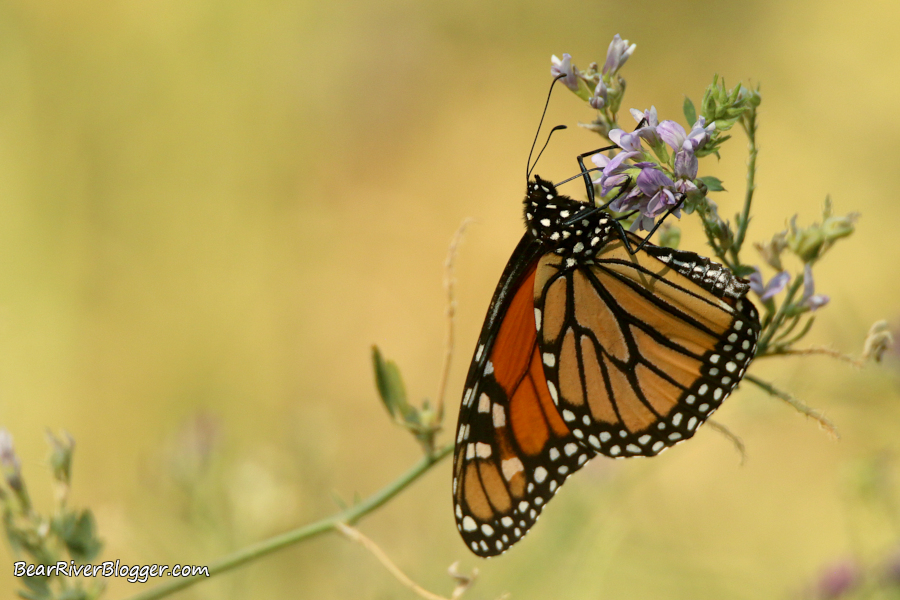

If there’s one thing during summer that consistently steers my camera lens away from photographing birds it’s the monarch butterfly, and, honestly, I am most certainly alright with that.
In fact, I’m so alright with photographing monarch butterflies over birds during the summer and early fall months there are numerous times I purposely visit the Bear River Migratory Bird Refuge auto tour route for no other reason than to search for and photograph monarch butterflies, hoping to catch these delicate creatures feeding on blooming sunflowers somewhere along the 12-mile gravel roadside during their fall migration.
(Advertisement)

But there is a problem, a growing problem, unfortunately, that has led to dwindling monarch sightings each and every summer, not just on the Bear River Migratory Bird Refuge but all across North America.
Simply put, both the eastern and western populations of migrating monarch butterflies have severely plummeted in recent years, declining to dangerously low levels, and, as a result, the monarch migration is literally in jeopardy.
Each year since 1997, hundreds of dedicated volunteers under the administration of the Xerces Society have headed out to count monarch butterflies at known wintering sites for the western population, and this past winter (2024) these counts tallied only 9,119 monarch butterflies from 257 wintering sites.
To help put that number into perspective, in 1997, when these western monarch butterfly counts started, the wintering population was counted to be over 1,200,000 individuals from about 100 sites, and now, 27 years later, that number is less than 10,000 with more than double the number of wintering sites being observed.
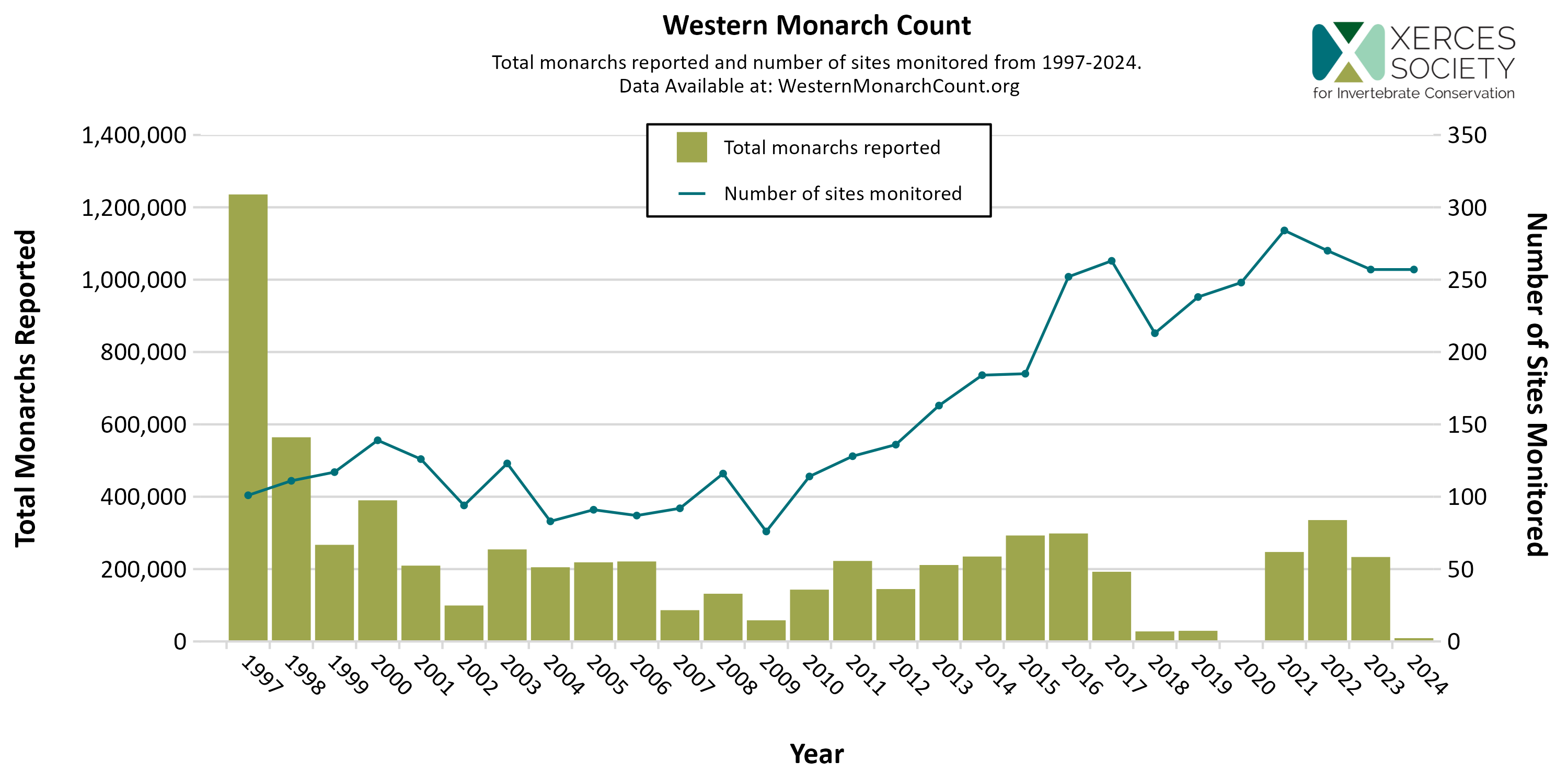
That’s not a very good statistical trend now is it?
(Advertisement)
(As an Amazon Associate, I earn from qualifying purchases.)
In my own yard, for example, where I have a pretty generous patch of monarch butterfly habitat, including large stands of showy milkweed, numerous nectar-producing plants, and many trees to roost in, at best I am only seeing one or two males patrolling my pasture each day with not a single egg or caterpillar yet to be found this year from almost daily observations.
The reasons for this sharp and heartbreaking nationwide decline are pretty simple on the surface from a strictly biological standpoint; however, they certainly carry a lot of controversy and resistance from both the social and political side of things.
Habitat loss, pesticides, and herbicides are most definitely the driving factor for the decline of all of our pollinators, including the monarch butterfly, but the offsetting reasons for these factors do indeed muddy the waters quite a bit and I see it first hand living in an agricultural community where land managed for crops and cattle take the highest priority and mosquito abatement (pesticides) is as routine as the setting sun during the summer months.
Add to that the relentless use of pesticides and herbicides for that perfect-looking yard and we can include residential factors from almost every neighborhood in North America as contributing factors for not only the decline in butterflies but also other pollinators and essential insects as well.
But as bad as habitat loss, herbicides, and pesticides are to the decline of the monarch butterfly and other pollinators there’s a greater contributor to the problem, a lack of an appreciation for the monarch and a misunderstanding by the general public of just what monarch butterflies need to survive and what threatens their very existence as well and that, my friends, is where you and I come in and can definitely help, one conversation at a time with anybody and everybody that we can talk to.
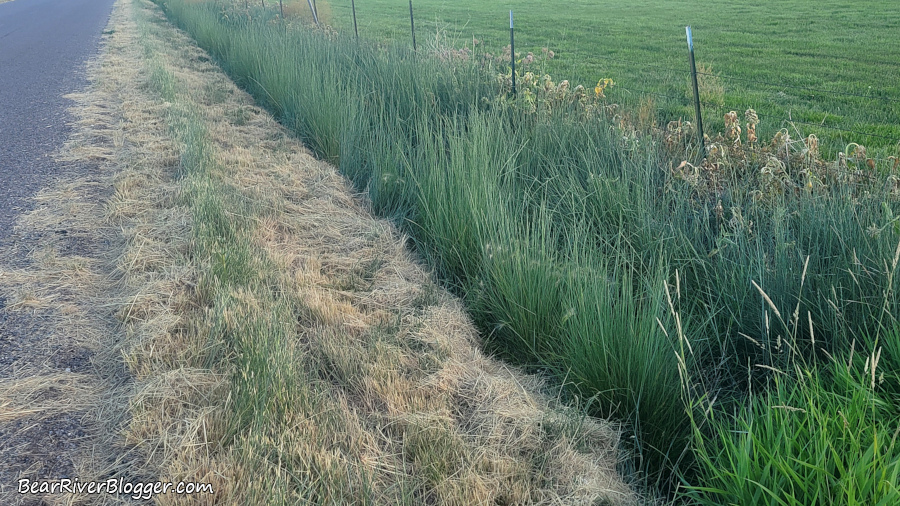
We start by planting some native milkweed and nectar plants in our yards and refrain from pesticide and herbicide use.
The process continues by talking to our neighbors, friends, and co-workers, showing them how beautiful a backyard pollinator garden can be and how exciting it is to see bees, birds, and butterflies in a small patch of urban nature.
Eventually reaching out to government facilities, churches, schools, and businesses, any location really that has an open plot of land where milkweed and nectar plants can be grown, will most certainly add to the effort as each and every pollinator garden will help the overall cause of saving the monarch butterfly migration.
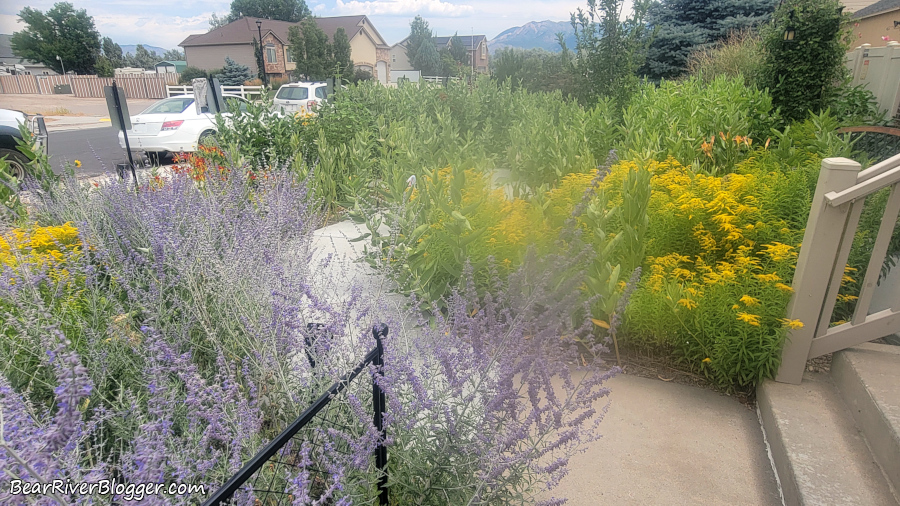
The whole process starts, however, with nothing more than a simple conversation about monarch butterflies, and that is where it tends to bog down it seems, getting someone else interested in and listening to a few facts about monarch butterflies.
It’s up to each of us, not the government but you and me, to help get the word out in our own neck of the woods if we want to help save the monarch butterfly migration, one of the most incredible natural phenomena in nature, and that starts with a simple conversation about monarch butterflies.
I know it can be hard to strike up a conversation with people, especially for those of us introverts that struggle talking to people we aren’t familiar with, but I’ve come up with a simple solution that should make the process of opening a casual conversation a whole lot simpler, wear a specifically designed t-shirt or hoodie that invites others to ask you about saving monarch butterflies.
This is an idea I had a few weeks ago and I’ve finally put it together with a simple design that’s available now on t-shirts and hoodies from our merch store that should, hopefully at least, invite people to ask you about saving the imperiled monarch butterfly migration.
We all need to play a part in this if we are to save the monarch migration and it all starts with a simple question or two about monarch butterflies to help educate and inform others about what monarchs need to survive.
It’s as routine as the setting sun when I talk to people about monarch butterflies where most of them have no idea that milkweed is the only species of plant monarch butterflies will lay their eggs on and their caterpillars will eat.
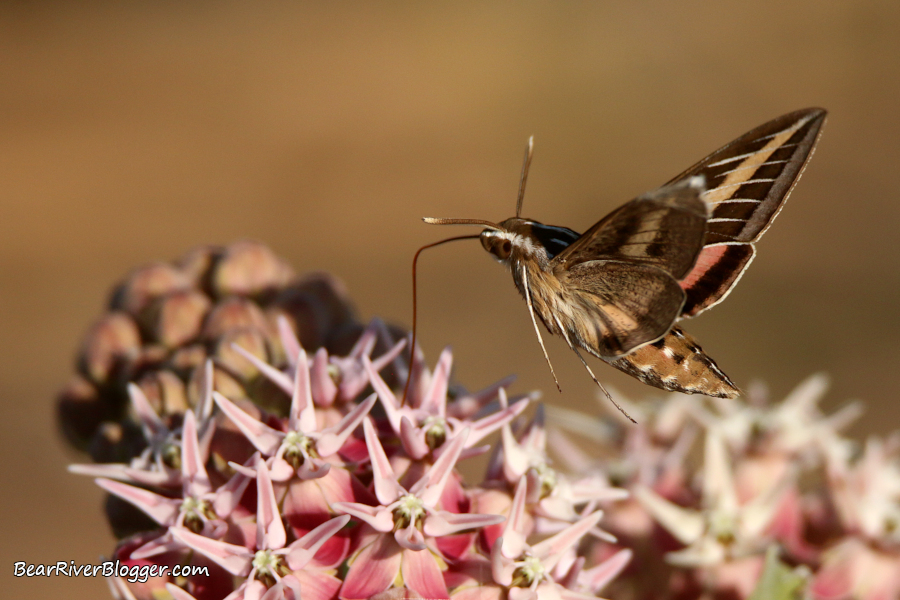
I’ve always assumed that was common knowledge growing up as a nature nerd but I can most certainly say from years of photography, blogging, and talking to people about nature it is not common knowledge by any means and why it’s so important to inform and educate people every chance we get about the relationship between milkweed and monarch butterflies.
In fact, because somehow, somewhere in years past the term “weed” got attached to its terminology and people almost immediately classify milkweed as an unruly, unsightly, and unwanted nuisance plant, but it is far from that in every sense of the word.
In all actuality, milkweed is not just a simple host plant for the monarch butterfly but a source of nectar for a variety of other butterflies and pollinators, but it’s going to take, at the very least that is, a conversation or two to help change people’s minds regarding the societal misconception of the true value of the milkweed plant and factors contributing to the demise of the monarch butterfly.
That won’t ever happen, unfortunately, if we first don’t get people to ask about and get interested in saving this most intriguing creature, and that could be done with something as simple as putting on a shirt in the morning before we leave the house for the day.
Help us continue to grow and get the word out about the incredible creatures in nature, especially the iconic monarch butterfly, and the habitats they need for survival by signing up for email notifications for future blog posts and sharing our website online with others.