I’ve been an avid birdwatcher for as long as I can remember, ever since I was about 10 years old or so when my dad and I walked down the dike where Goose Egg Island now sits at Farmington Bay WMA on my first ever birding trip.
It wasn’t anything more than a casual stroll on a very dusty gravel road, one confined by a large, lush wetland on one side and the vast open waters of the Great Salt Lake on the other, with nothing but our lunch, a pair of old 7×30 binoculars, and a small yet budding curiosity for birds within me.
(Advertisement)

This very moment, however, one I will never forget as it’s forever etched in my mind, definitely planted a seed within my soul that has led to more than 40 years of visiting wildlife sanctuaries to watch, photograph, and enjoy not just birds but all the creatures these natural places support.
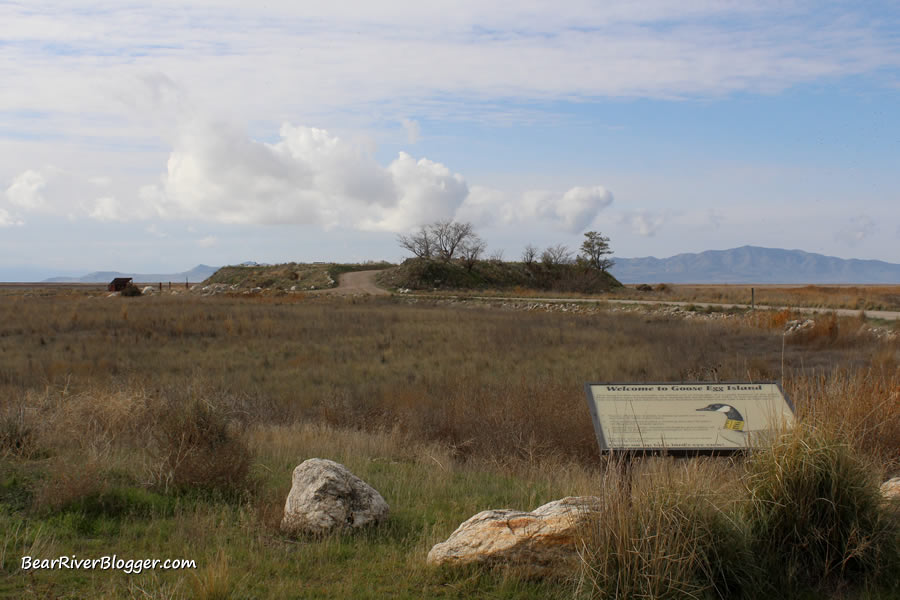
From that day on, the more I frequented wildlife preserves like Farmington Bay, the more I began to appreciate what these types of areas protect and offer to visitors like myself, an undisturbed slice of peace and serenity from the world around us that just can’t be replicated or substituted with even the most sophisticated technological amenities our modern society offers us.
As a young birder, I began to truly love each and every time I was able to visit one of these protected sanctuaries but, however, I was also starting to develop a form of tunnel vision with birdwatching, with nature as a whole to be more precise, as I thought these particular locations were the only places to find and enjoy birds so there was no need to look for or pay attention to anything else until I had arrived at the chosen birdwatching destination for the day.
It’s a malady that is quite commonly associated with wildlife refuges of all kinds, shapes, and sizes, even small local nature parks to be quite honest, where a government agency of some kind draws a line around an area and protects it, giving us the false notion that inside those boundaries are abundant populations of wildlife and outside there is, well, nothing.
But I am here to tell you as a lifelong birdwatcher, one who, unfortunately, subscribed to this theology for a long time, this type of a mindset is wrong, dead wrong, in fact, so let me explain by using the Bear River Migratory Bird Refuge auto tour route and vicinity as an example of how I missed out one some great birding experiences, caused by my own ignorance mind you, that was literally right under my nose and I had no idea.
(Advertisement)
(As an Amazon Associate, I earn from qualifying purchases.)
If you’re not familiar with the lay of the land, the Bear River Migratory Bird Refuge is a 77,000-acre wildlife refuge that spans nearly the full width of the valley between the Wasatch Mountains on the east and the Promontory Mountains on the west, making it quite long and narrow with respect to the local geography.
With that in mind, the refuge visitors center sits on the eastern border of the preserve, just a stone’s throw from Interstate 15, and the famous auto tour route is located closer to the western border of the refuge, with a 12-mile stretch of county road between the two.
This road, known as Forest Street, is the only way to and from the auto loop, and the further west you go, the more alkaline and barren the landscape becomes until you arrive at the gravel tour route.
For many years, I had written off this 12-mile section of both refuge property and its neighboring private lands as nothing more than a desolate stretch of real estate where bird sightings were the exception, rare exception at best, or so I thought, and not the common rule.
Don’t get me wrong, there were times I would find a bird here or there on that stretch of road, especially during winter when the rough-legged hawks had arrived for the season, but most of the time throughout the year I literally paid little to no attention on my way down to the auto tour route as it just seemed much too barren to attract any substantial amount of birds.
On one of those trips driving down Forest Street, however, my perception of Forest Street began to change during a very frigid and snowy morning when I noticed a barn owl perched ever so peacefully on a nearby metal fence post.
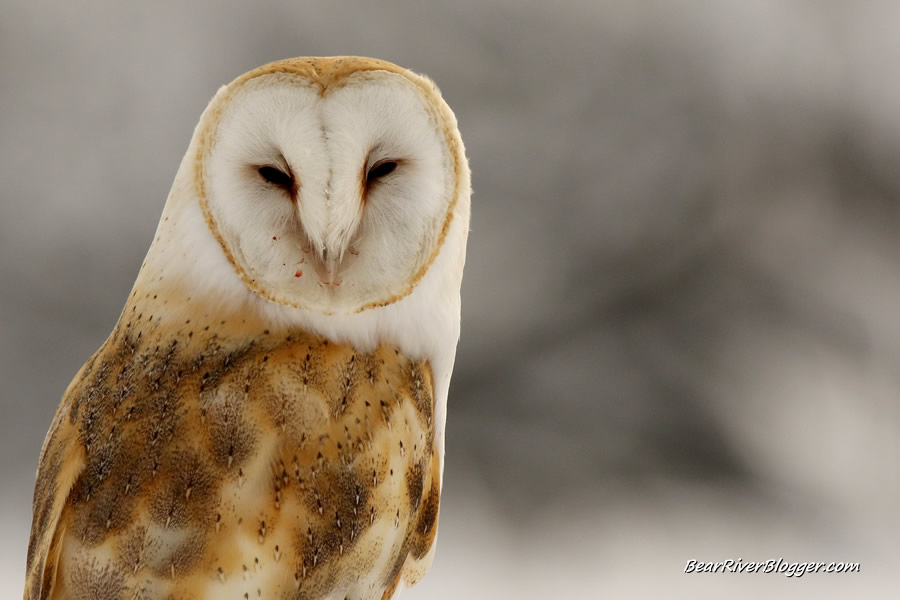
I’ve seen an occasional barn owl hunting off in the distance on this drive before, but never had I been given such a close and personal opportunity to photograph one like this, until now, that is.
That very moment started to open my eyes a bit, causing me to drive at a snail’s pace the rest of the way down Forest Street, all the while looking for more birds to photograph in this winter wonderland that covered the icy landscape.
On another trip, I came across an American kestrel that plunged into a small bank of snow and pulled out a vole, further enticing me to pay more and more attention along Forest Street on my trips to the refuge auto loop.
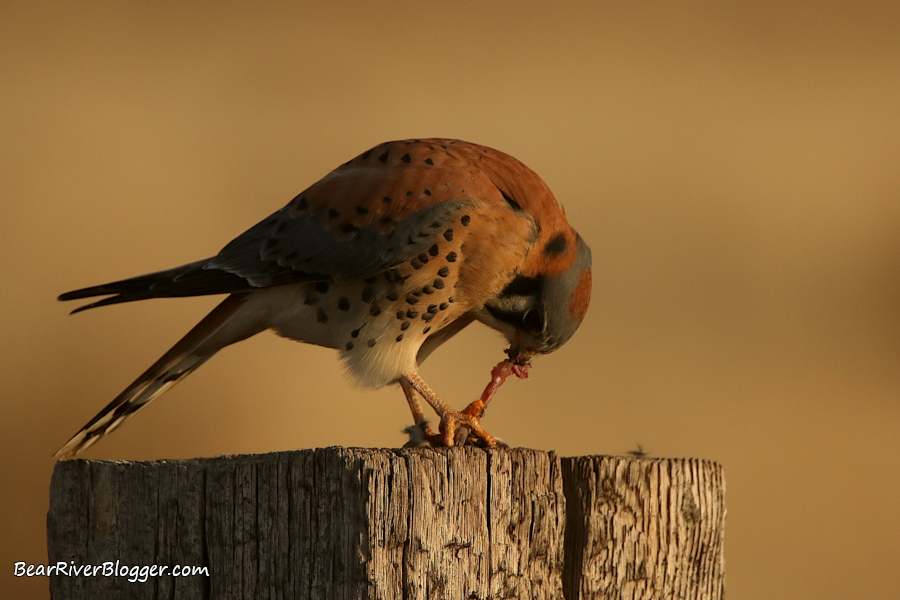
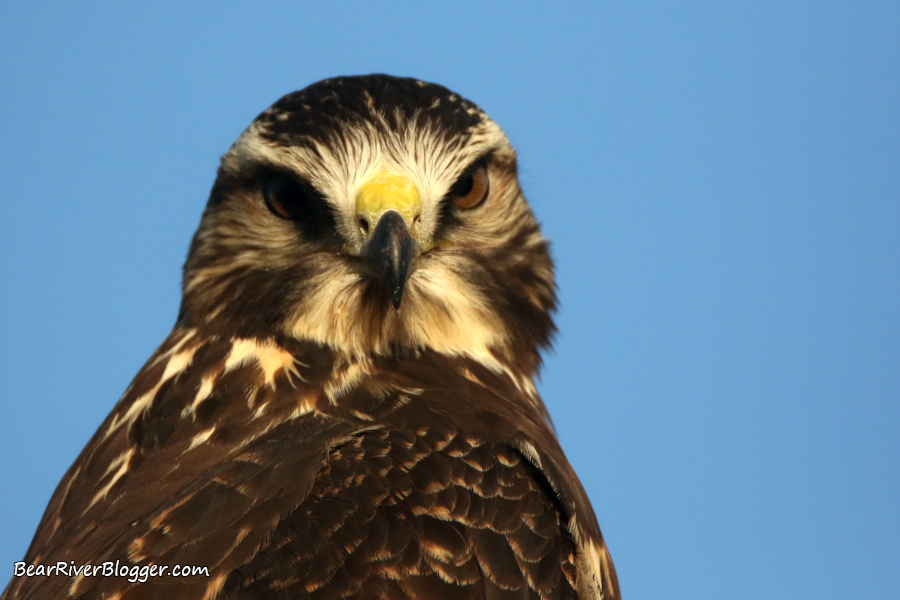
Last spring, my early morning summer drives to the auto loop were constantly being interrupted by juvenile swainson hawks sitting on roadside fence posts, making for some great images and birding experiences for several weeks until the young raptors migrated south for the winter.
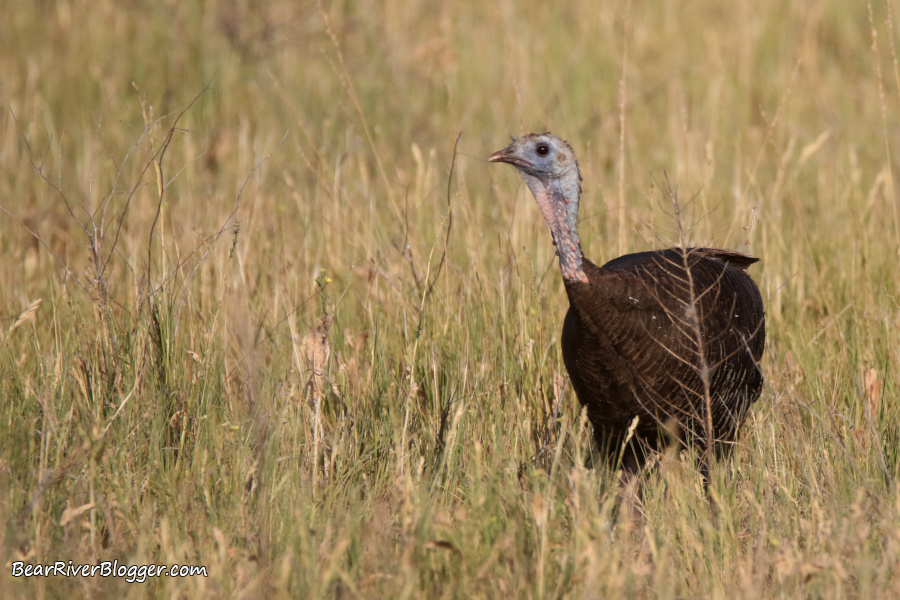
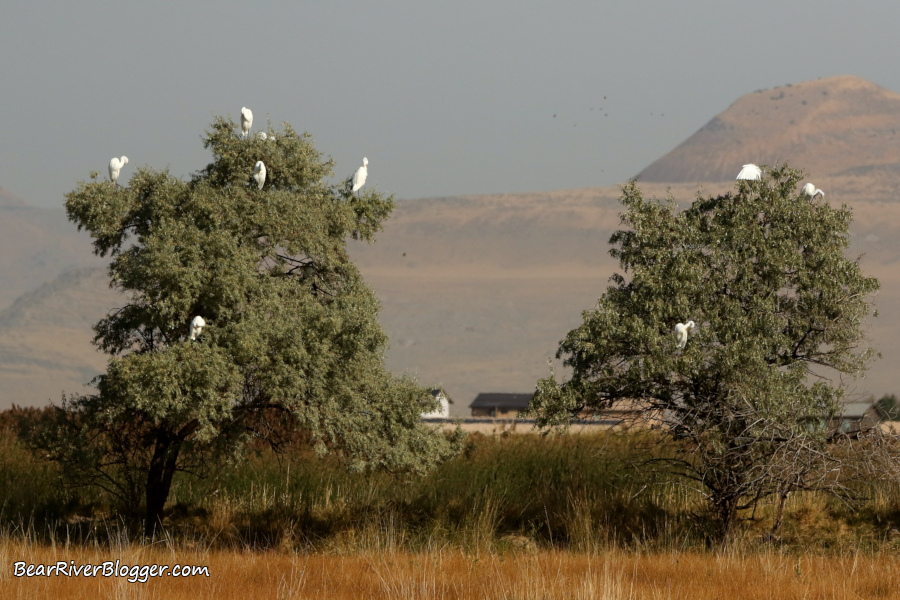
Over the years since my attention has perked up along the 12-mile county road, I have seen countless species of birds throughout the year, including merlins, bald eagles, Hungarian partridge, great egrets, a lone turkey, snow geese, a leg-banded kestrel, and many, many more varieties, all of which I would have missed if I had solely kept focusing on getting to the refuge auto loop and nothing else.
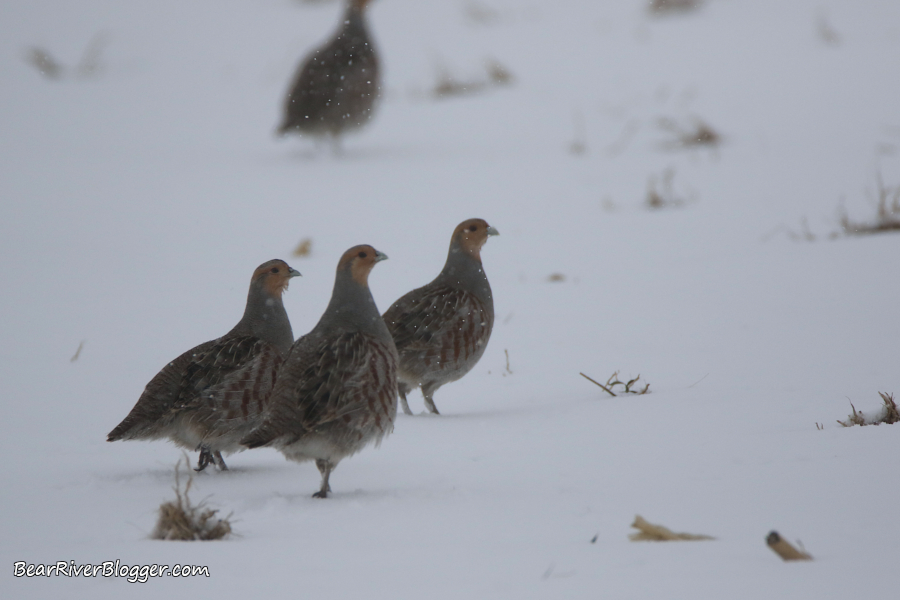
There have actually been times when my drive to the bird refuge auto loop has been far more productive than the tour route itself, not always, but there have been birdwatching trips where that’s definitely been the case after I started to pay more attention to this seemingly uninhabited stretch of land.
In fact, even just driving around Brigham City last spring, not even heading to the bird refuge at the time, I noticed an osprey platform that has been in use the past couple of years even though so far it has not produced any osprey chicks despite the breeding pairs best efforts so with birds you just never know what you will find and where you might find it.
The one thing I want you to take away from all of this is to always keep an eye out for birds wherever you may be, and don’t fall into the trap of thinking nature just lives inside the invisible boundaries of a wildlife preserve and nowhere else.
Simply put, don’t just focus on the destination but enjoy the journey to your chosen birdwatching spot as well.
You never know, you just might see something you’ve never seen before, and it could light a bigger fire inside yourself or start one inside a young birding protege when you start seeing birds in places once thought void of avian activity, similar to how Forest Street was for me just a few years ago.
If you’re an avid birdwatcher or nature photographer like myself, I invite you to sign up for email notifications for future blog posts where I share my love for birds and all the other creatures in nature through photography and the written word.