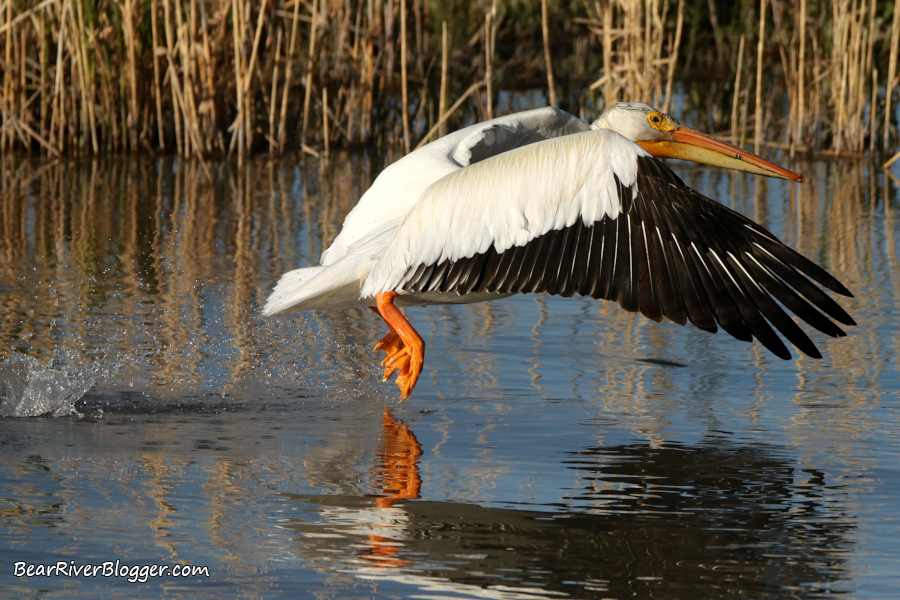
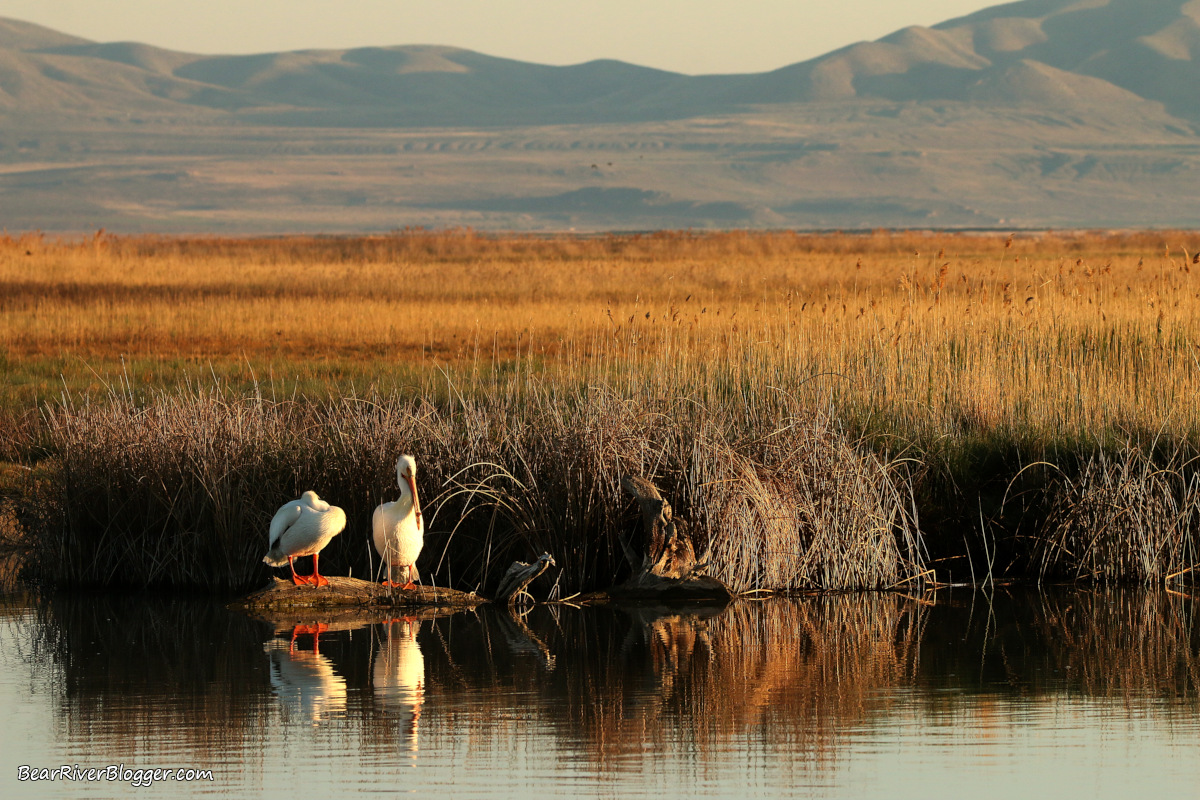
For those of you new to this website, subscribe to and follow this blog for any length of time and two things will become quite apparent; one, I love watching and photographing birds more than just about anything else on earth and, two, I spend an inordinate amount of time behind a camera on the Bear River Migratory Bird Refuge throughout the year.
This morning was a great example of both of those, and to my surprise, mind you, I somehow managed to roll out of bed well before the rooster crowed and headed to the Bear River Migratory Bird Refuge under the cover of darkness but a completely clear and cloudless sky.
(Advertisement)

Since the weather hasn’t been very cooperative lately, with regards to photography at least, it was my hope of using this near-perfect morning to drive the auto tour route just as the sun was cresting the Wasatch Mountains for a very specific reason, I wanted to photograph a few birds, pelicans hopefully if I end up getting my way, during what is referred to as the “golden hour”.
Mission accomplished as I timed the commute perfectly, and for the next two hours it was literally just me, the steadily rising sun, and 12 miles of wetland habitat loaded with plenty of birds of all kinds.
Interestingly enough, I didn’t see another vehicle until I was just finishing the loop, nearly 2 hours after I had started it.
And to make the morning that much better, as I initially passed through the main gate, a couple of American white pelicans casually sitting on the other side of the Bear River grabbed my attention, and the resulting photos will be the focus of this particular blog post.
If you are just getting your feet wet with nature photography the term “golden hour” might be new to you but, in a nutshell, it refers to the first hour of the day just after the sun has risen and the last hour of the day just before the sun sets, both periods of time when the sun is at a very low angle and, as a result, gives the softest, warmest natural occurring light of the day, hence the term golden hour.
(Advertisement)

(As an Amazon Associate, I earn from qualifying purchases.)
Traditionally, this is when landscape photographers prefer to spend their time while out in their favorite scenic locations, myself included as shown by the featured image above, as during this brief period even the most mundane of scenery comes alive with the warmth of the setting and rising sun, giving even the most drab of landscapes a glow that cannot be artificially added later on no matter how good editing software becomes.
As you can see from the first image below, one that was captured during the morning golden hour and completely unedited, the colors are soft and warm from the low angle of the rising sun.
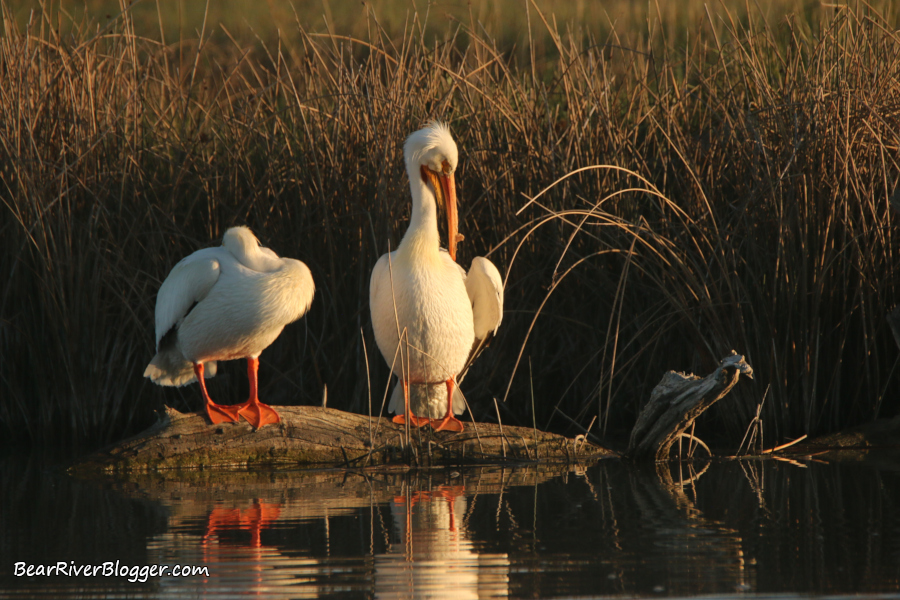
This is why seasoned nature photographers take all measures possible to photograph during the golden hours, either morning or evening, as the colors are just spectacular on their own and need no artificial manipulation whatsoever.
Conversely, as I finished the auto tour route this morning, I noticed the same two pelicans were still perched on the submerged log, which allowed me to take a comparison photograph just two hours later with regards to their illumination.
Even though this unedited image is still what I would call a very pleasing photo overall, compare it to the one above, and you can definitely see the difference in the warmth with regard to the colors, all attributed to the change in the angle of the sun just two hours later.
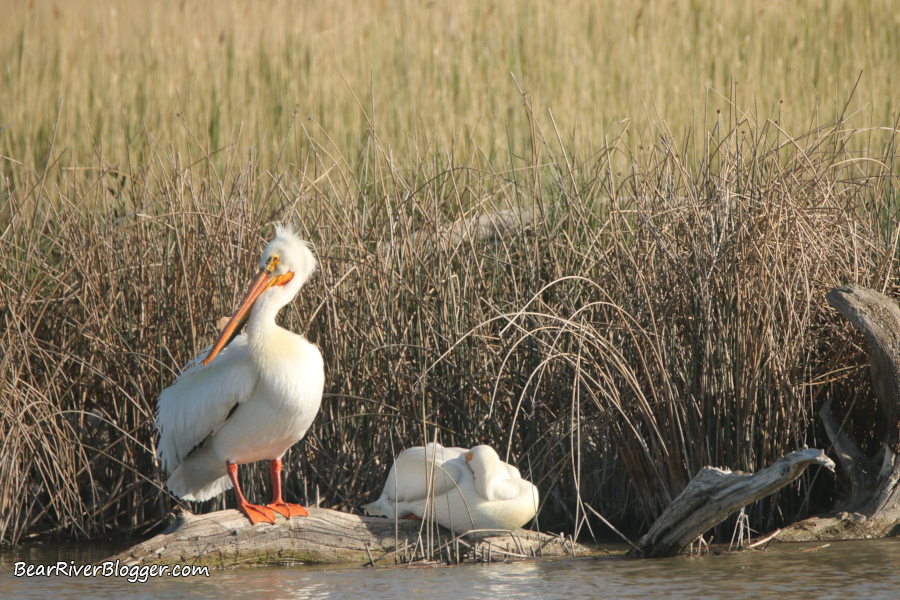
That is how much a slight change in the angle of the sun can and does alter the feel of an image by affecting its warmth, and why photographing during the golden hours of the day can greatly help improve your bird photos.
Modern editing programs can change an image’s warmth to some degree, but the further you push it away from what was naturally captured, you risk the image looking over-edited or, as the phrase goes, “photoshopped”.
If this same scene were photographed during high noon, the harshest sunlight of the day, the resulting image would be very bland and not very appealing with regard to color and light.
Unless I have no other options at hand, I will rarely photograph during the middle hours of the day and give my time to the first couple of hours of the morning or the last couple of hours of the day, both of which include the golden hour when the sunlight is at its best.
The only real drawback to photographing during the golden hours that I can see is since the angle of the sun is so low there’s less available light to run the camera at faster shutter speeds so adjustments to either the aperture, ISO, or most likely even both are needed if you are hoping to photograph birds in flight, a scenario that requires shutter speeds in the ballpark of 1/2500, and preferably faster if you can get it.
If you are an avid birdwatcher or nature photographer like me, I invite you to head on over to our subscribe page and sign up for email notifications for future blog posts where we share our love for birds, butterflies, and other critters in nature and how to photograph them.