
When I think of November, I almost always think of swans, mainly the tundra swan to be more precise.
And with good reason, I might add, as each November, upwards of 10,000 tundra swans migrate through the Bear River Migratory Bird Refuge and surrounding wetlands on their way to California for the winter.

It is quite a spectacle to view if you happen to be up at the bird refuge when their numbers peak.

But tundra swans aren’t the only swan species that migrate through northern Utah in November; a small band of trumpeter swans is also making a yearly appearance in Box Elder County near the Bear River Migratory Bird Refuge.
I have been watching trumpeter swans in this area for several years now, and it is almost like clockwork when they arrive.
Today, in fact, was the first day I came across about 50 trumpeter swans in the small farming community of Corinne, Utah, and I expect to see them for several more weeks if the weather holds out for a bit longer.
Most of the tundra swans stay out on the Bear River Migratory Bird Refuge and surrounding wetlands as they mainly feed on aquatic vegetation.

But trumpeter swans are commonly found in the farm fields feeding on waste grain, and that is exactly where I found them on this rainy winter morning.

It’s not to say I never see tundra swans in the farm fields; I occasionally do but during fall migration it’s mostly a few lone individuals keeping company with the flock of trumpeter swans.
The best time I have found to view the trumpeter swans is early to mid-morning, as many of them will fly back to the marsh by early afternoon.
Today, I came across the trumpeter swans around 10:00 am but by 11:00 two thirds of them had already left the fields for the day.
Finding the trumpeter swans in West Corinne is fairly easy, as they are large, white birds that stick out very well against a plowed grain field.
(Gosky Spotting Scope)
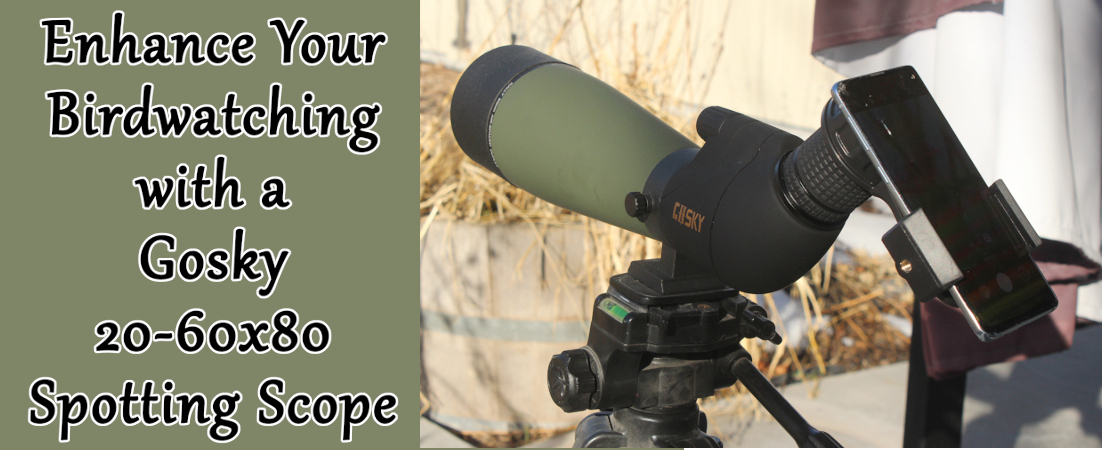
(As an Amazon Associate, I earn from qualifying purchases.)
The key is to get there early enough in the day when they are using the grain fields, and from there they can sometimes be seen off in the distance when you hone in on their contrasting white plumage against the dark earth background.
Trumpeter swans are pretty easy to identify on the ground with their flat-sloped forehead, red lips on the beak, and their distinctive call.

On the wing, they are a bit harder to discern, but trumpeter swans are also much larger than the tundra swans, and tundra swans usually have a yellow eye patch that immediately gives them away.
So if you are in the mood to do a little bird watching and want to view the majestic trumpeter swan, now is the time, as they are here in Box Elder County for a few weeks, feeding in the little farming town of Corinne, Utah.
If you love birds as much as I do, I invite you to head on over to our subscribe page and sign up for email notifications for future blog posts about our photography excursions out in the natural world.
Our YouTube Video Of The Week
(For short nature photography tips and interesting stories about the natural world around us, subscribe to our Bear River Blogger channel on YouTube for videos and updates from our travels while out in nature, both on and off of the famed Bear River Migratory Bird Refuge.)