One of the reasons I love birdwatching so much is the always-present possibility of crossing paths with an uncommon, maybe even rare, bird or two on my travels.
It doesn’t happen as frequently as I would like, not even close if I were to be totally honest here, but it does indeed happen enough to cause me to keep my eyes open and my camera at the ready for something that is definitely out of place when I am on a birding excursion.
Sometimes, as it was the case with a brown pelican being spotted on the Bear River Migratory Bird Refuge a few years ago, the sighting is initially reported by another birder, and all I can do is go enjoy the moment, which I did several times when I heard there was a brown pelican on the refuge because pelicans are one of my favorite birds and only heaven knows if or when I might get to see another one like this.
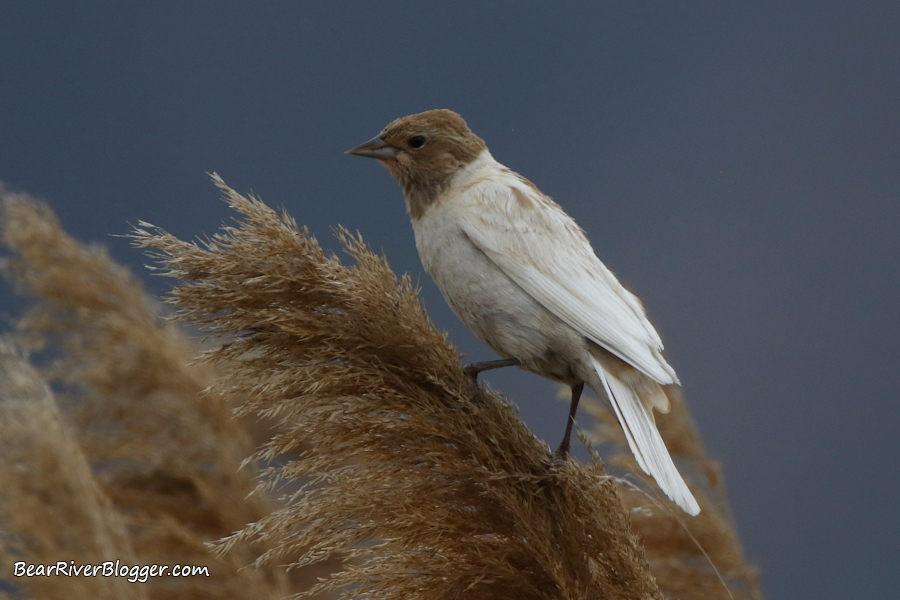
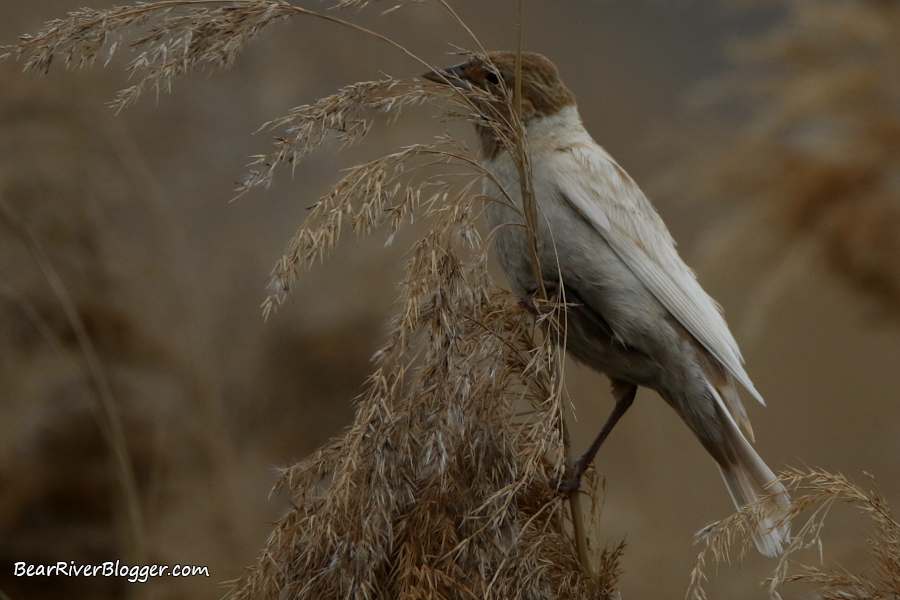
Other times, I am the one who gets the unique moment of finding a bird not commonly seen, as it was with this leucistic female red-winged blackbird I photographed on the Bear River Migratory Bird Refuge temporary auto tour route about three months back or so, on the 5th of May, to be more precise.
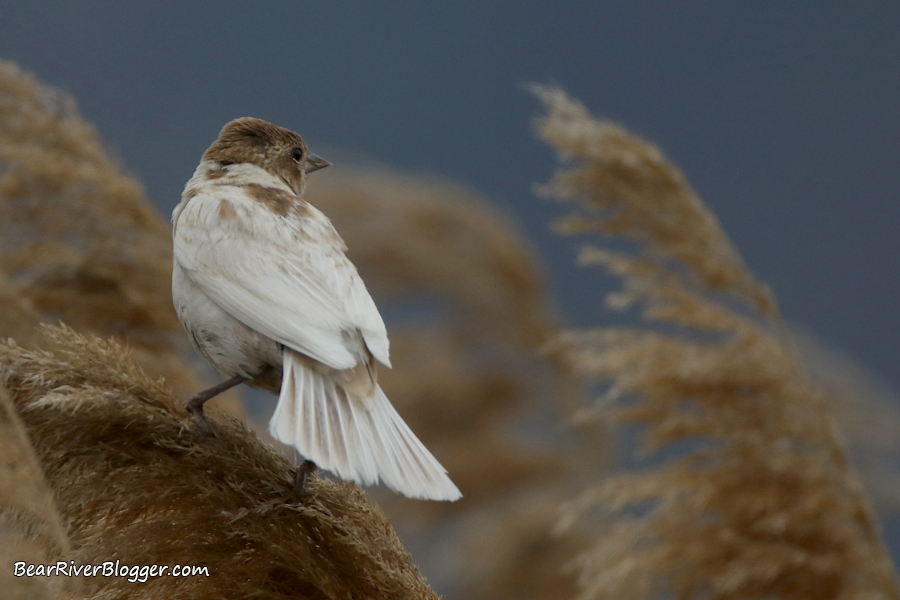
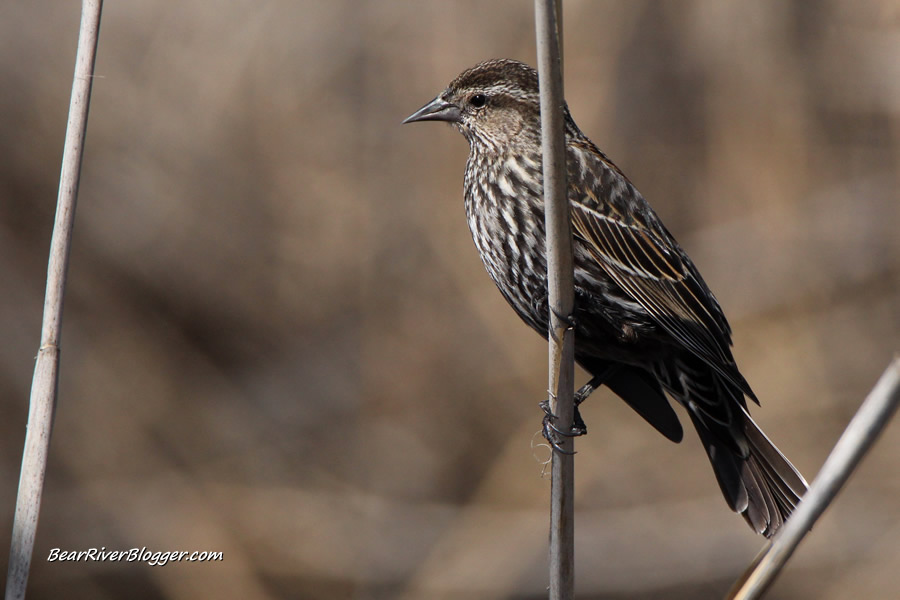
Definitely not a rare bird species by any means, mind you; red-winged blackbirds are a very common resident on the refuge year-round, but the obvious leucism shown in this particular bird makes it an uncommon find, at the very least.
The sighting only lasted for a brief couple of minutes before the female blackbird darted back into the thick wall of phragmites, never to be seen again, unfortunately, as I kept looking for her several weeks afterwards but with no luck.
She did give me enough time, however, to snap a few decent photographs of the sighting so I could document and share the experience here on my website.
It actually took me a few minutes afterwards, looking and re-looking at all of the images on my camera just to be sure, to fully identify the bird, as I had never seen a leucistic blackbird before, which is why I always advocate having a camera with you on birdwatching trips whenever possible.
Leucism in birds is quite commonly mistaken for albinism; however, they are not the same thing.
Albinism, a genetic condition where no or very little melanin is produced by the body, affects the entire animal, causing it to be entirely white with even pink eyes and skin, but this same lack of pigment from leucism in birds only affects some, and many times most if not all, of their feathers, causing their plumage to go white, but none of their skin, beak, eyes, or feet in the same manner.
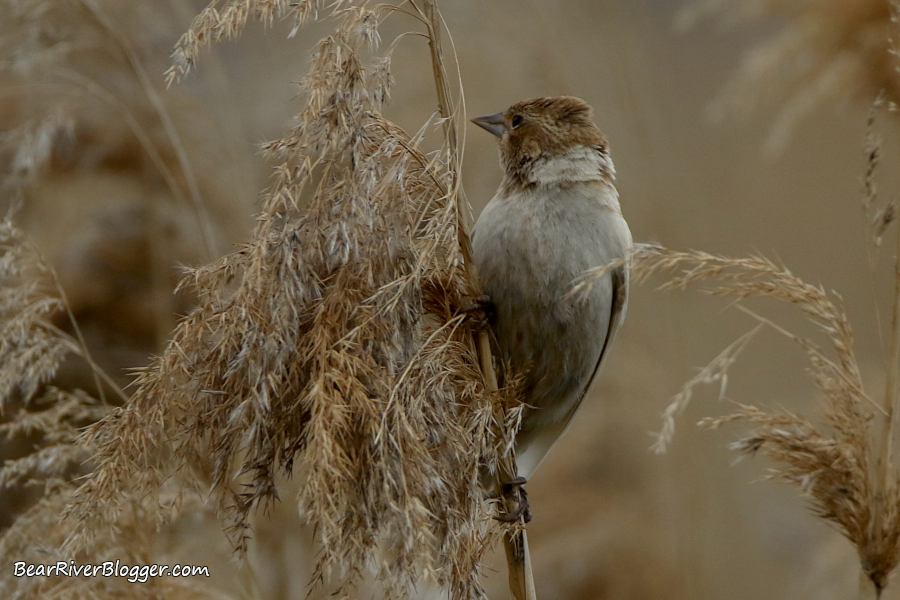
Sometimes, the effects of leucism can be just a few feathers, making it a bit harder to identify as a leucistic bird, but other times, as in this particular case, most of the bird can be white and easily marked as a bird with leucism.
From what I have been reading while doing research on leucism, it does affect red-winged blackbirds more commonly than many other bird species, but after decades of birdwatching red-winged blackbirds on the Bear River Migratory Bird Refuge auto tour route and elsewhere, I can honestly say this is the first ever leucistic blackbird I have ever seen, and who knows if or when I might see another one.
No matter how common or rare they are said to be, it was still a real treat to view and photograph this unique bird.
If you are a birdwatcher or nature photographer like I am, I suggest visiting our subscribe page to sign up for email notifications when future blog posts about my love for birdwatching and nature photography, both on and off of the famous Bear River Migratory Bird Refuge, are uploaded to my website.
As a final note, if you are in the market for a unique birdwatching or nature-themed t-shirt or hoodie, either for yourself or as a gift, I invite you to visit our online apparel store and see if there is anything there to your liking; all of the products listed are designed by me and help keep this website up and running.
News, Events, Shopping, and More
T-shirts, Hoodies, and Gifts


Our YouTube Video Of The Week
(For short nature photography tips and interesting stories about the natural world around us, subscribe to our Bear River Blogger channel on YouTube for videos and updates from our travels while out in nature, both on and off of the famed Bear River Migratory Bird Refuge.)
Thanks for teaching us something new today.
I’m glad I could help share something new.
So taken with your photos of the female leucastic Red-wing Blackbird. I’ve photographed and painted the male RWBB’s at Farmington Bay BR. Love their song also!!
Thank you. I am glad they turned out as well as they did with the clouds and the low light at the time.