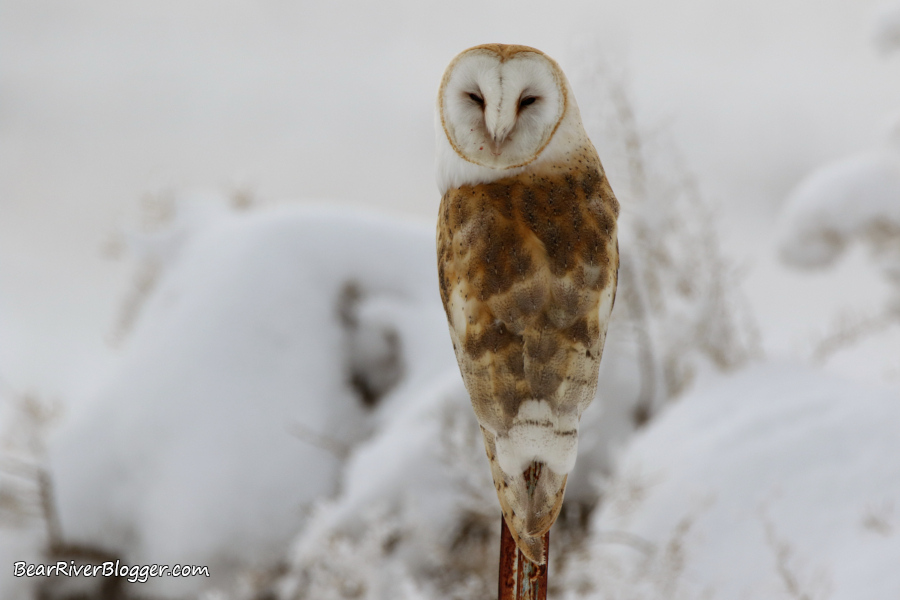
Summer just flew by, didn’t it?
In fact, the whole year has been kind of a blur, and with today being the first day of fall, we are officially 3/4 of the way through the calendar year, and soon the Christmas shopping season will be upon us.
So it seems to me that right now would be a good time to talk a little bit about expectations if you plan on visiting the famous Bear River Migratory Bird Refuge auto tour route during what I will categorize as one of the two best seasons to visit, the middle of winter, especially if you are an outdoor photographer or just want to experience nature in what I personally think is its most beautiful state of the year.
By the way, the other ‘best time’ to visit the auto loop is during spring migration, particularly March through early May, when the birds are coming back, the bugs are few and far between, temperatures are on the rise, and the annual rebirth of nature, both its flora and fauna, just lifts one’s spirit like nothing else can.
I actually don’t like the notion of ‘best time to visit’ when referring to the refuge, or anywhere else in nature, for that matter.
Such a mindset stands dangerously close to conjuring up ideas in our heads that other less-active times aren’t enjoyable or somehow less valuable to our souls, giving reason for people to believe nature always needs to be “on” to be enlightening and worth their time for a visit, which just isn’t true no matter how you slice it.
As with many things in life, there are definitely times when birdwatching, for example, isn’t as ‘active’ as we’d like it to be, what we typically think of as ‘best’, but with nature there is never a bad time to get out and enjoy the natural world around us, expectations just need to change with each page turn of the calander, sometimes replacing hopes of quantity with the measurment of quality, at least that’s how I try and approach it with the perspective there is never a bad time to enjoy nature even when there is arguably a bad time to expect to view large quantities of birds.
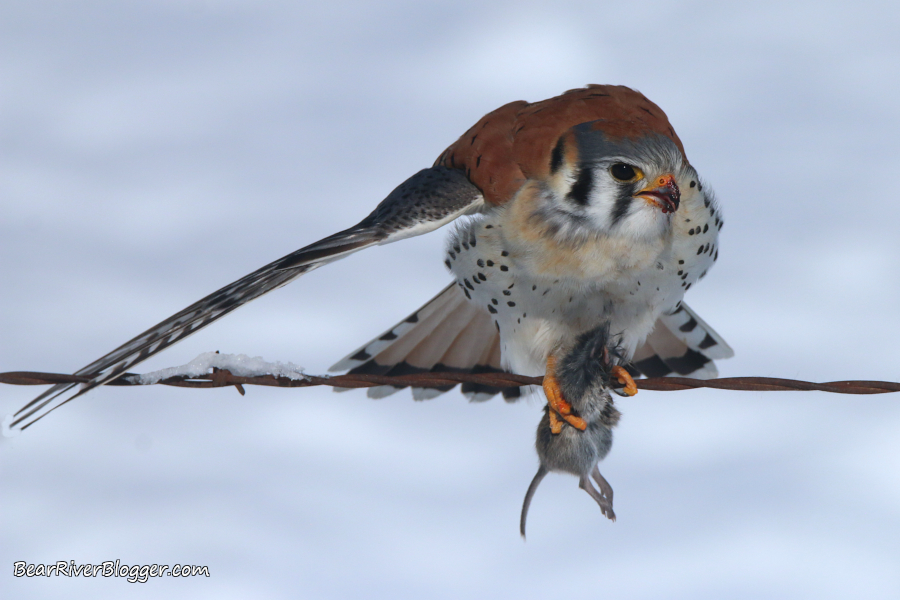
Between the two seasons aforementioned, if you ask for my personal preference, I will pick what I’ve referred to countless times on this website as the “dreads of winter”, the coldest, harshest, and most bitter part of the year that typically spans from late December to early February, each and every time, and the reason behind it might surprise you because, honestly, I am not a winter person by any stretch of the imagination.
In fact, take my camera away, and I have absolutely no use for winter.
Simply put, the number one reason I endure the coldest, most brutal weeks of the year for birdwatching and photographing at the refuge can be summed up in one simple word: solitude.
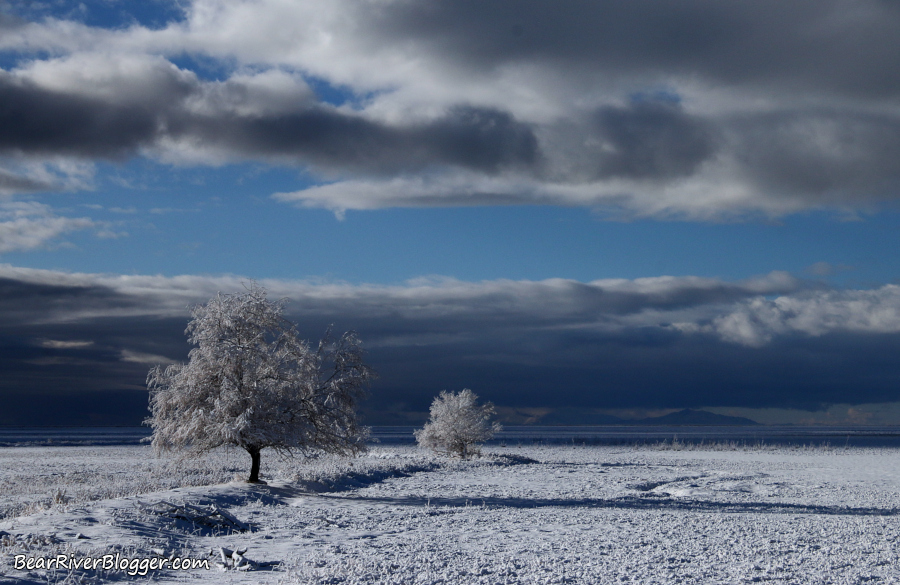
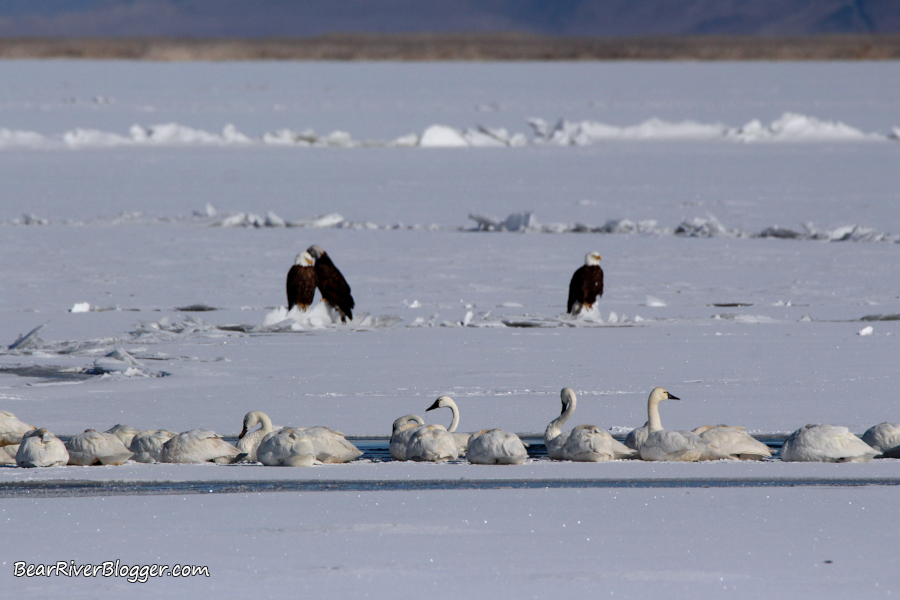
The quiet, serene backdrop of a frozen wetland just speaks to me for some reason, especially after a fresh blanket of snow, about 2-4 inches to be precise, no more, no less, covers the icy landscape in a pure white blanket that refreshes everything it touches in a sea of cotton-like beauty no other time of year can match.
Funny thing is, honestly, I really don’t know why it speaks to me like it does; it just does.
It’s something I can’t explain if I tried, and I have attempted putting it into words dozens of times for anyone and everyone that would listen when the topic comes up, because it makes no sense from the simple fact that when I’m not out photographing the Bear River Migratory Bird Refuge auto tour route during these sub-freezing, sometimes even sub-zero temperatures, I am at home literally cursing up a storm about how cold it is outside.
So why put myself through all of that just to have a few moments of peace and quiet? Can’t I do that at home?
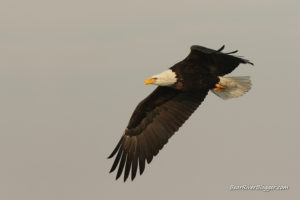
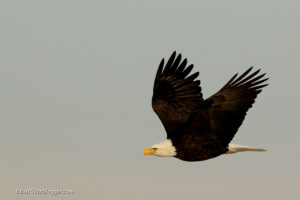
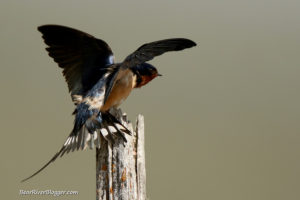
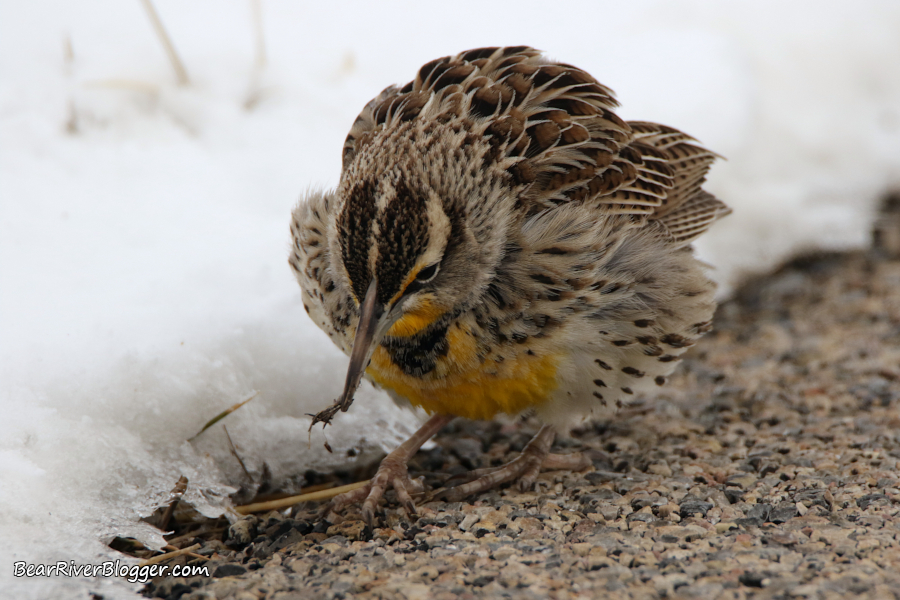
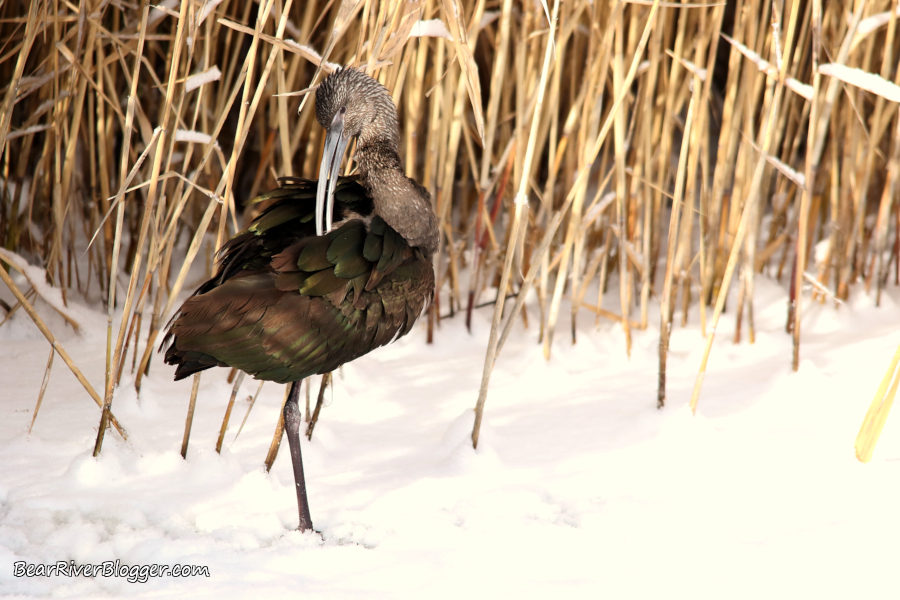
Hopefully the images attached to this post will convey the message as to why I love the dreads of winter on the Bear River Migratory Bird Refuge auto tour route better than any words I can write, because, honestly, words alone just can’t do any justice to what it is truly like that time of year, during those extreme conditions; it just has to be experienced, and if you are fortunate to catch it on a perfect day, there is nothing like it.
Let me be clear about something: it’s not just the lack of sound that helps bring the serenity I’m referring to, but the unique stories, the scenery, and also a lack of birds- yes, I actually said a lack of birds- that makes the dreads of winter such a unique and tranquil time of year to be on the refuge.
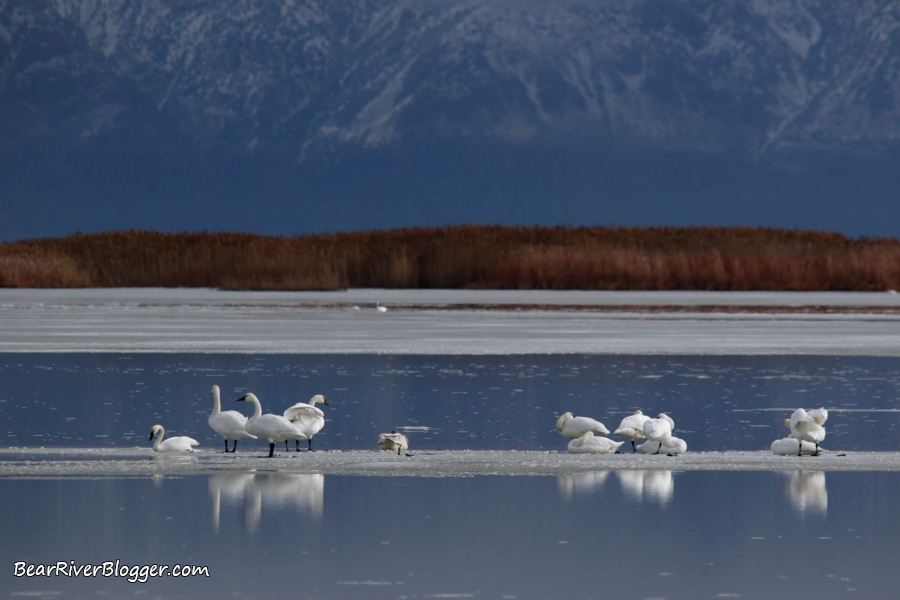
I know that statement sounds a bit counterintuitive coming from a lifelong birdwatcher, but hear me out: fewer birds doesn’t equate to less enjoyment, not in the least; it can actually mean just the opposite when nature offers you one of those intimate moments with an individual bird that can only happen when weather conditions are at an extreme, causing the bird to react in a way only seen during this particular time of year.
Unless you want to be constantly disappointed, winter birdwatching differs from the rest of the year in that it should never be judged by a measurement of quantity but rather by a yardstick of quality when it comes to interactions with birds, and it really does make each experience that much better when you see less but need to focus on each and every interaction more.
Sometimes you might only see a handful of birds during a winter birdwatching trip, maybe even just one or two, which does happen, but many times over, if you sit back and patiently watch these quiet moments when they present themselves, and they most certainly will, paying attention to what is being played out in front of you will quite often result in learning something new about birds during their most vulnerable time of year and how they persevere to survive through what challenges nature is throwing at them.
I am always impressed by how some species of birds can handle such harsh conditions, staying put in a frozen landscape when the vast majority of other birds have left for a warmer, more plentiful climate.
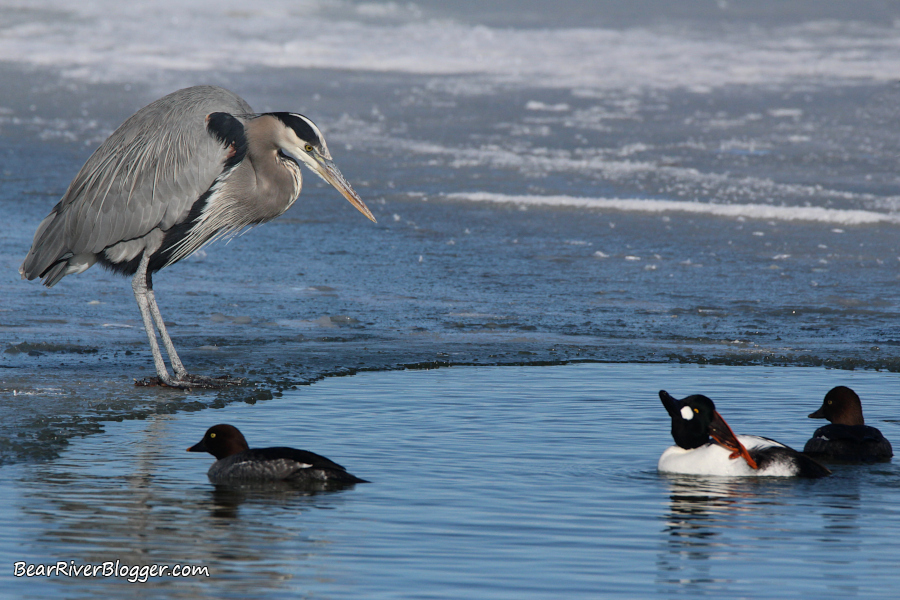
It is even more intriguing when individuals from a particular species of bird, one that is well documented to winter in very warm climates, stay put for some unknown reason and have to figure out how to survive when their normal food source is buried under several inches of snow or, even more restricting, under a few inches of ice.
When I visit the Bear River Migratory Bird Refuge auto tour route during the dreads of winter, my expectations turn from how many birds I hope to see to what moment or two I will get to experience today, and when I do find one of these instances, I sit and watch for as long as I can, sometimes 30, 40, and even 60 minutes or more if the situation lends itself as such.
But winter birding excursions are more than just looking for birds; mind you, I am also searching for great winter scenery and unique stories that can only be offered on a frozen canvas recently painted with a fresh dusting of snow.
Winter on the Bear River Migratory Bird Refuge is more than just about birds, a lot more to be quite honest, but when a birding moment does present itself, it is far more interesting and educational than almost any other time of the year that I have visited.
It is why I adorn as much warm clothing as I can find and crank up the heater to brave the frigid, even sub-freezing temperatures, for a few hours with a camera sitting at the ready anytime nature decides to show me something I can only see when the landscape is in such a state of both rest and turmoil at the same time.
There is just something so incredible about birdwatching and nature photography during the dreads of winter, and I hope I’ll never get tired of it, even despite my ongoing feud with the dreadful season.
If you haven’t already, don’t forget to subscribe to our website for more stories like this, as well as information about refuge news, events, and other interesting things we are now adding to our posts down below.
Subscribe To Our Website
News, Events, Shopping, and More
T-shirts, Hoodies, and Gifts

Our YouTube Video Of The Week
(For short nature photography tips and interesting stories about the natural world around us, subscribe to our Bear River Blogger channel on YouTube for videos and updates from our travels while out in nature, both on and off of the famed Bear River Migratory Bird Refuge.)